
Food Medicine
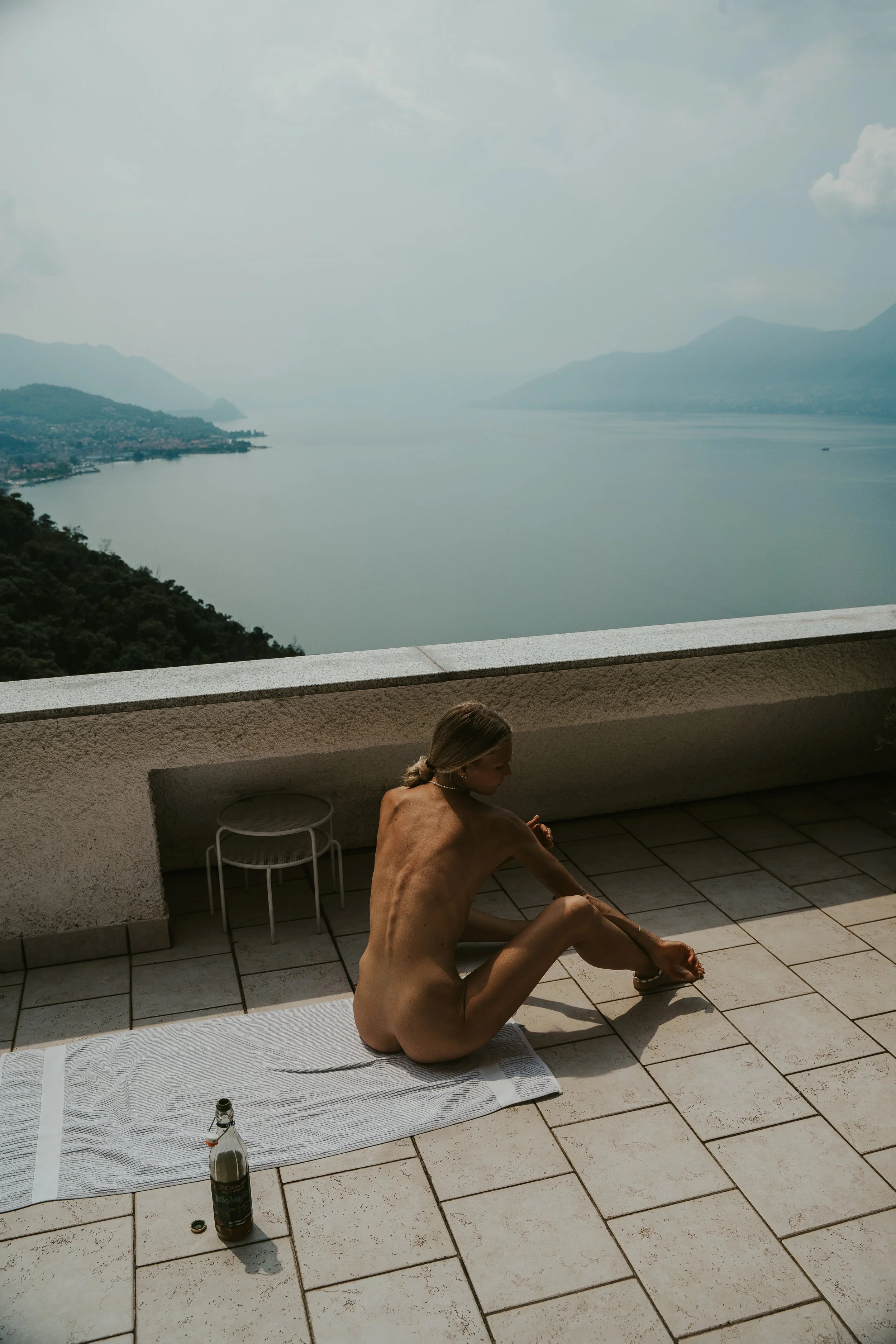
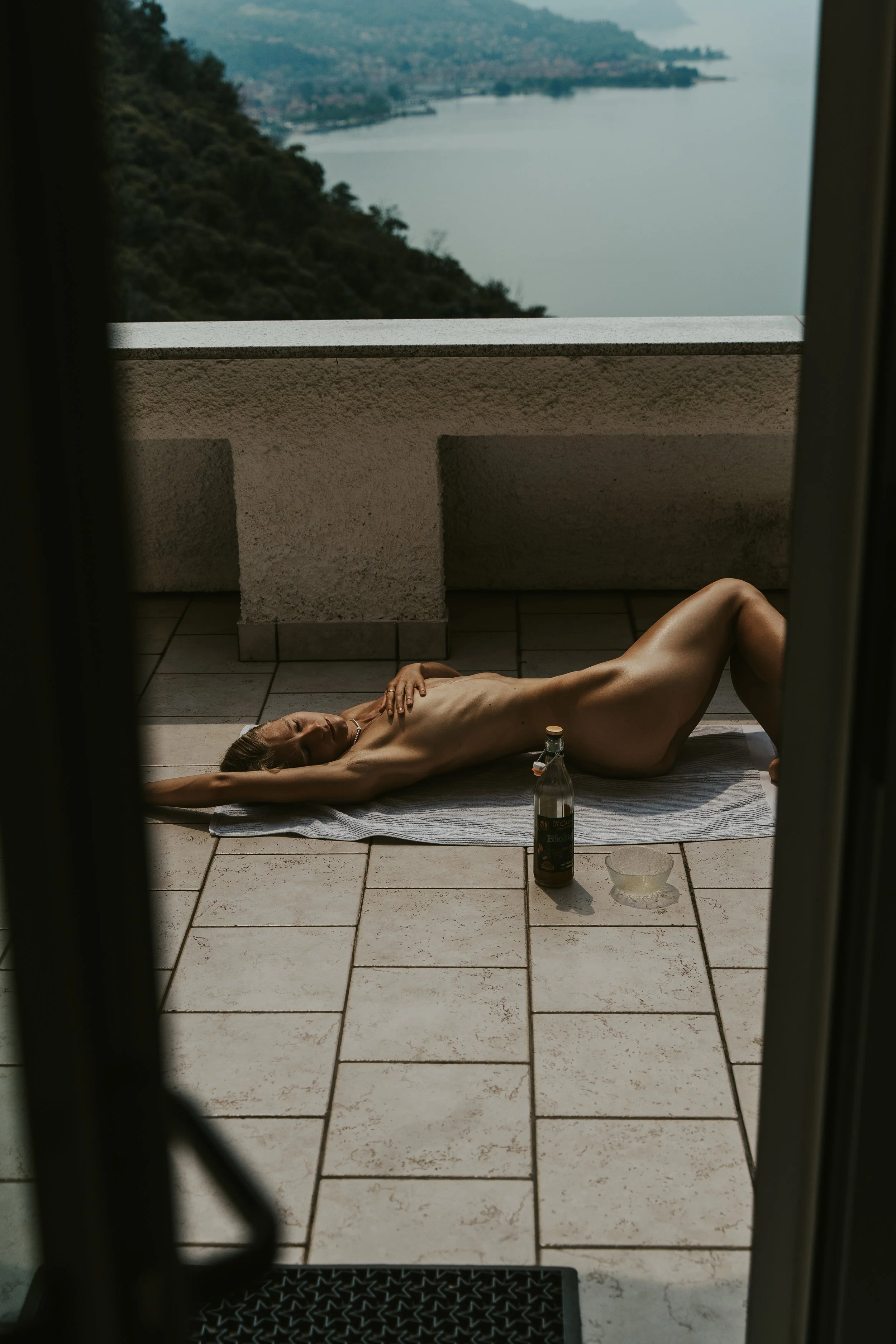
Shot by Josh Kobayashi | Model Britany | Location Lake Como, Italy | Medium Digital Photography
There’s a quiet strength in the way Britany talks about nourishment — not as a trend or a checklist, but as a form of care. For her, food has always been more than fuel; it’s connection, healing, and intuition all at once. In a world where wellness often feels performative, her perspective brings it back to something deeply human — the idea that what we eat can reflect how we love ourselves.
We sat down with Britany to talk about her journey with food as medicine — how it’s shaped her relationship with her body, her energy, and her sense of balance — and what it truly means to live and eat with intention.
Let’s start at the Beginning. What first sparked your interest in the idea of “food as medicine”? Was there a moment or experience that shifted how you view what you eat?
“When I first saw my mom reach for plants before using actual westernized medicine, like reaching for an Advil or anything like that, it was always plants before pills.”
When people hear “food as medicine,” it can sound clinical or restrictive. How do you personally define it — and how does it show up in your everyday life?
“When I look at food, I see that everything we touch, hear, sense, or eat is all medicine. It is totally up to you how you view your food. Growing up, I was raised to see food as vitamins, minerals, and protein. It essentially defines your DNA; that is what created you. That's how I see it, and it shows up in my everyday life.
One reason is that we have to eat to live. Eating food is essential; we shouldn't just be popping pills. There's a reason why we have certain nutrients and why we opt for certain foods to actually get a hold of that.”
Can you share a time when food played a real role in your healing — physically, mentally, or emotionally?
“The moment I started eating correctly for my body type and blood type, I began to heal. Everything from Hashimoto's to autoimmune issues (vitiligo), which were never present when I was born or growing up, suddenly appeared in my life for a short period. I may not have been taking care of myself as I should have, and your body doesn't lie. It begs for its nutrients, and all that manifests in different ways.
We all have weakened organs, but I find that when we provide our bodies with the correct food and view food as medicine, we can heal. Since everyone is uniquely individual, eating according to your body and blood type allows for healing, and food truly is medicine.”
So much of our culture around food is about appearance — diets, body image, control. How has your relationship with food evolved beyond that?
“So I don't actually believe in diets, dieting, or the dieting culture, or whatever the industry decides to put you on. I am very big on habits and lifestyle. That is what real consistency and sustainability look like.
I see people always starting challenges, and sometimes challenges become too restrictive, leading to failure. So why put yourself through all these challenges just to let yourself go? I would rather take baby steps and be consistent to actually reach your goals and simply live a healthy lifestyle.
Nothing should be short term. Everything should be viewed in the long term. It's like looking at your career. You're not doing anything for the short term; you're planning for your future. So why can't it be the same with food?”
What does nourishment look like to you today, beyond just what’s on your plate?
“Nourishment for me goes way beyond the plate. One aspect is eating for your blood type. There's too much noise about how people should eat, what macros to focus on, high protein, and so on. To me, it is completely misguided. Everyone is uniquely different, not only in their height, weight, body mass, and bone density, but also in their active lifestyles and, most importantly, their blood type.
Everybody is built so differently that each person needs different micronutrients, vitamins, minerals, and macros. The type of food you eat, whether animal protein or plant-based, also plays a role.
Furthermore, nourishment extends beyond the plate to include everything we listen to, the environment we surround ourselves with, the toxins we encounter, the products we put on our skin, and the things we listen to. All of these factors shape us and nourish us, ultimately building who we are.”
Are there specific foods, rituals, or routines that you feel truly support your body and mind?
“I've seen a tremendous effect once I started eating for my blood type. My body basically just bounced back to being me, and it feels so effortless.
Another big thing is the sway test. Your body, at certain times or different times of day, wants certain things. If I'm feeling like I want sushi for lunch, I do the sway test. However, I might not actually want sushi at lunch; I might actually want it at dinner. The body sways forward to say yes and back for no.
I do this with a lot of things, including supplements, baked goods, and foods, just because your body sometimes is signaling for certain things at different times of day. I am very into traditional Chinese medicine, acupuncture, and really listening to and being in tune with the body and working out.”


If someone is just beginning their own journey toward using food as medicine, where would you tell them to start?
“I would definitely start by, if you're on any medication or using pills, get off of them.
Number one, birth control.
Two, if you're using over-the-counter medicine, please weave off of it.
Three, if you're using Advil or any medicine found on the shelves of stores, you generally don't need that. All man-made and processed substances are not sustainable or healthy for us.
Next, incorporate a healthy lifestyle. A great guideline is to follow your blood type diet and then build onto that by following your ancestral diet.
Movement is also essential. Engage in activities like walking and weight lifting. It doesn't have to be super intense; keep it light. As long as you are allowing for blood circulation, it is so important.”
And finally — what does being BARE mean to you?
“Bare means to me being yourself and in the most natural state without any alterations, just being pure and whole.”

As our conversation winds down, it’s clear that Britany’s approach to food — and to life — is rooted in simplicity and awareness. It’s less about perfection and more about presence. About slowing down enough to listen to what the body is really asking for, and honoring that message with care.
In a sense, that’s what BARE is all about — the peeling back of layers, the quiet honesty in how we live, eat, and create. Through Britany’s lens, “food as medicine” isn’t a prescription; it’s a practice in self-respect, intuition, and love.